



Search Engine Optmization (SEO) 17 Aug 2026
On-Page vs Technical SEO: What Your Website Actually Needs First

Written by Kalpesh Prajapati
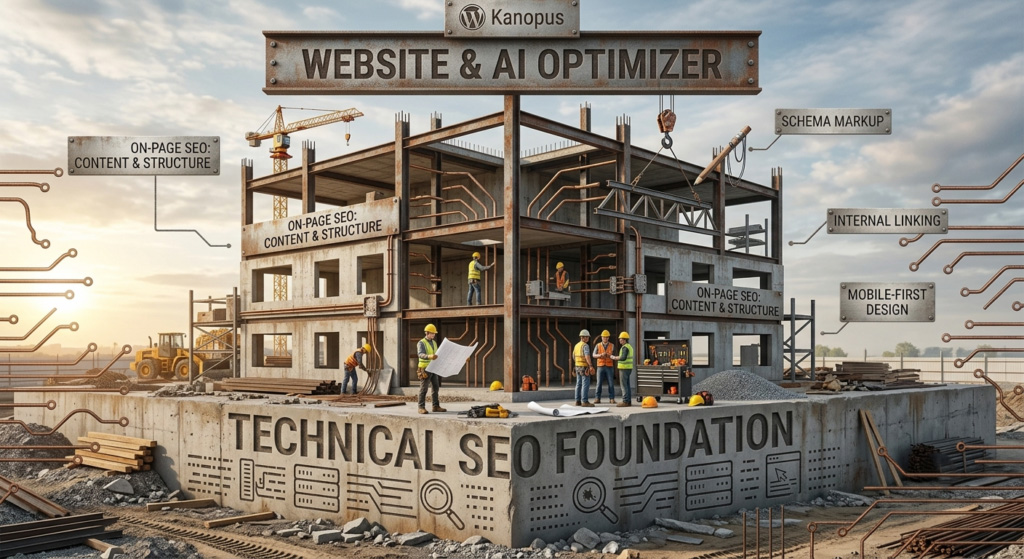
Most businesses hear ‘SEO’ and think keywords and blog posts. But if a site has technical issues underneath, no amount of on-page optimization will fix rankings that are being held back by something Google can’t even properly crawl or index.
This confusion costs businesses real money. It’s common to see a company invest heavily in content, hiring writers, publishing consistently, targeting the right keywords, while the actual reason their rankings won’t budge sits in a technical issue nobody checked for first. Understanding the difference between on-page and technical SEO, and knowing which one a site actually needs first, saves a lot of wasted effort chasing the wrong fix.
What On-Page SEO Actually Covers
On-page SEO refers to everything on an individual page that helps it rank and get clicked: title tags, meta descriptions, heading structure, keyword placement within the content, internal linking between related pages, and the overall quality and relevance of the content itself. This is the layer most people think of first because it’s the most visible, it’s writing and structuring content around what people actually search for.
What Technical SEO Actually Covers
Technical SEO covers the infrastructure behind the site: page load speed, crawlability, whether pages get indexed at all, mobile responsiveness, structured data markup, XML sitemaps, broken links and redirect chains, HTTPS security, and Core Web Vitals scores. None of this is visible to a visitor scrolling through a page, but it directly affects whether Google can find, understand, and trust the page enough to rank it.
How to Tell Which One Your Site Needs First
A useful signal sits inside Google Search Console: if impressions are climbing but clicks stay flat, or if a meaningful number of pages simply aren’t indexed, that usually points to a technical issue blocking visibility before content quality even comes into play. If pages are indexed and getting some traffic but not ranking well for the terms they’re written around, that’s more often an on-page issue, thin content, weak keyword targeting, or poor internal linking.
Slow load times, especially on mobile, are one of the more common technical culprits that quietly suppress rankings across an entire site, not just one page.
Why the Order Matters
Think of technical SEO as the foundation and on-page SEO as everything built on top of it. Writing excellent, well-optimized content on a page that loads slowly, isn’t mobile-friendly, or isn’t properly indexed is a bit like decorating a room in a house with a cracked foundation. The content might be genuinely good, but Google struggles to fully credit it if the technical basics aren’t in place first.
That’s why a proper SEO strategy usually starts with a technical audit, fixes what’s blocking visibility, and only then moves into deeper on-page and content work.
A Simple Way to Audit Your Own Site
Start with Google Search Console’s Coverage report to see which pages are indexed and which are excluded, and why. Run key pages through Google’s PageSpeed Insights to check load speed and Core Web Vitals. Use Google’s Mobile-Friendly Test to confirm pages render properly on phones. These three checks alone surface most of the common technical issues holding a site back before any on-page work is worth investing in.
Structured Data: The Technical SEO Piece Most Businesses Skip
Structured data, sometimes called schema markup, is code added to a page that explicitly tells search engines what the content actually is: a product with a price and availability, a service business with a location and hours, an FAQ section with specific questions and answers. Without it, search engines have to infer this information, and inference isn’t always accurate.
This matters even more with AI-driven search tools now pulling directly from web content to answer user questions. Pages with clear structured data and direct, well-organized answers to common questions are simply easier for both traditional search engines and AI search tools to understand and cite correctly. It’s one of the more overlooked technical elements, and one of the more valuable ones to get right in 2026.
How Technical and On-Page SEO Work Together Long-Term
Once the technical foundation is solid, on-page SEO becomes an ongoing process rather than a one-time fix: refreshing older content to stay accurate and competitive, adding internal links as new pages get published, and adjusting keyword targeting as search behavior shifts. Technical SEO isn’t a one-time task either. Site updates, theme changes, new plugins, and platform migrations can all quietly reintroduce technical issues that need to be caught and corrected.
Businesses that treat SEO as a single project with a defined end date tend to see rankings plateau or slide backward within a year. The ones that treat it as ongoing maintenance, checking technical health periodically while continuing to build out on-page content, are the ones who see rankings hold steady and keep improving over time.
A Realistic Example of How This Plays Out
Consider a business with genuinely good service pages, clear, well-written, targeting the right keywords, but sitting on a site with a slow mobile load time and a handful of pages accidentally blocked from indexing by an old robots.txt setting. On paper, the content is doing everything right. In practice, Google is struggling to crawl and rank pages it can barely access quickly, and the content investment isn’t paying off the way it should.
Once the technical issues get fixed, indexing corrected and load speed improved, the same content the business already had often starts climbing in rankings within a few weeks, without a single word being rewritten. That’s the clearest illustration of why order matters: the content wasn’t the problem, but no one could tell that until the technical layer was checked first.
How AI Search Engines Are Changing What ‘Good SEO’ Means
With ChatGPT, Gemini, and Perplexity increasingly pulling directly from web content to answer questions, the technical and structural foundation of a site matters in a new way. These tools favor content that’s clearly structured, directly answers specific questions, and is backed by clean technical signals like proper headings, structured data, and fast load times. A page buried behind indexing issues or slow load times isn’t just losing traditional search rankings anymore, it’s also less likely to get pulled into an AI-generated answer that could have sent a business valuable, high-intent traffic.
This is one more reason the technical foundation deserves attention first. Good on-page content written for an AI-search world still needs a technically sound site underneath it to actually get discovered and cited in the first place.
Building a Working Relationship With Both Sides of SEO
In practice, businesses get the best results when technical and on-page SEO aren’t treated as two separate projects handled by two disconnected teams. A developer fixing a site speed issue needs to understand which pages matter most for rankings so fixes get prioritized correctly. A content writer targeting a keyword needs to know whether the page they’re writing for is even indexable before investing hours into it. That coordination, more than any single tactic, is what separates SEO efforts that compound over time from ones that stall out after a few months.
This is part of why an integrated approach, one team or agency handling both the technical and content side together, tends to outperform hiring separate specialists who never actually communicate with each other about priorities and findings.
Setting Realistic Expectations for the First Few Months
One of the more frustrating parts of SEO for business owners is the lag between doing the work and seeing it reflected in rankings. Fixing a major technical issue doesn’t produce an overnight jump; Google needs to recrawl and reassess affected pages, which can take anywhere from a few days to a few weeks depending on the site’s size and crawl frequency. On-page improvements follow a similar pattern, incremental gains that build over months rather than an instant before-and-after.
Businesses that understand this timeline upfront tend to stick with a proper SEO strategy long enough to see it pay off. Businesses expecting immediate results often abandon a sound strategy just before it would have started showing measurable traction, which is one of the more avoidable ways SEO investment gets wasted.
Choosing an SEO Partner Who Actually Checks the Technical Side
It’s worth being direct when evaluating an SEO provider: ask specifically whether their process includes a technical audit before content work begins, and ask to see an example of what that audit actually covers. Some providers jump straight into content and link-building without ever confirming the site is technically sound underneath, which sets a client up for disappointing results despite genuine content effort. A provider who leads with a technical audit, and can explain what they found and why it matters in plain language, is generally a stronger signal of a properly structured SEO process.
This distinction matters more than it might seem, since a business paying for months of content work on a technically broken foundation is essentially paying twice, once for content that isn’t performing, and again later to fix the technical issues that should have been addressed first. A short, honest technical audit at the start of an engagement, one that clearly explains what’s working and what isn’t, sets the right foundation for every dollar spent afterward to actually count.
Frequently Asked Questions
Technical SEO usually needs to be solid first, since it determines whether Google can properly crawl and index a page at all. On-page SEO then determines how well that page ranks and converts once it's indexed.
Some basic checks, like confirming mobile-friendliness or checking indexing status, can be done without technical help. Fixing deeper issues like site speed, structured data, or crawl errors usually requires a developer familiar with SEO.
Most websites start seeing noticeable improvements in rankings and traffic within 3 to 6 months, depending on competition and where the site currently stands.
Yes, page speed is part of Google's Core Web Vitals, which directly factor into rankings, especially on mobile where slow load times increase bounce rates and hurt user experience signals.
Both need ongoing attention. Technical issues can resurface after site updates or plugin changes, and on-page content needs regular updates to stay competitive as search behavior and competitor content shift over time.