



Laravel 17 Sep 2026
Why Laravel Is a Strong Choice for Custom Web Applications

Written by Kalpesh Prajapati
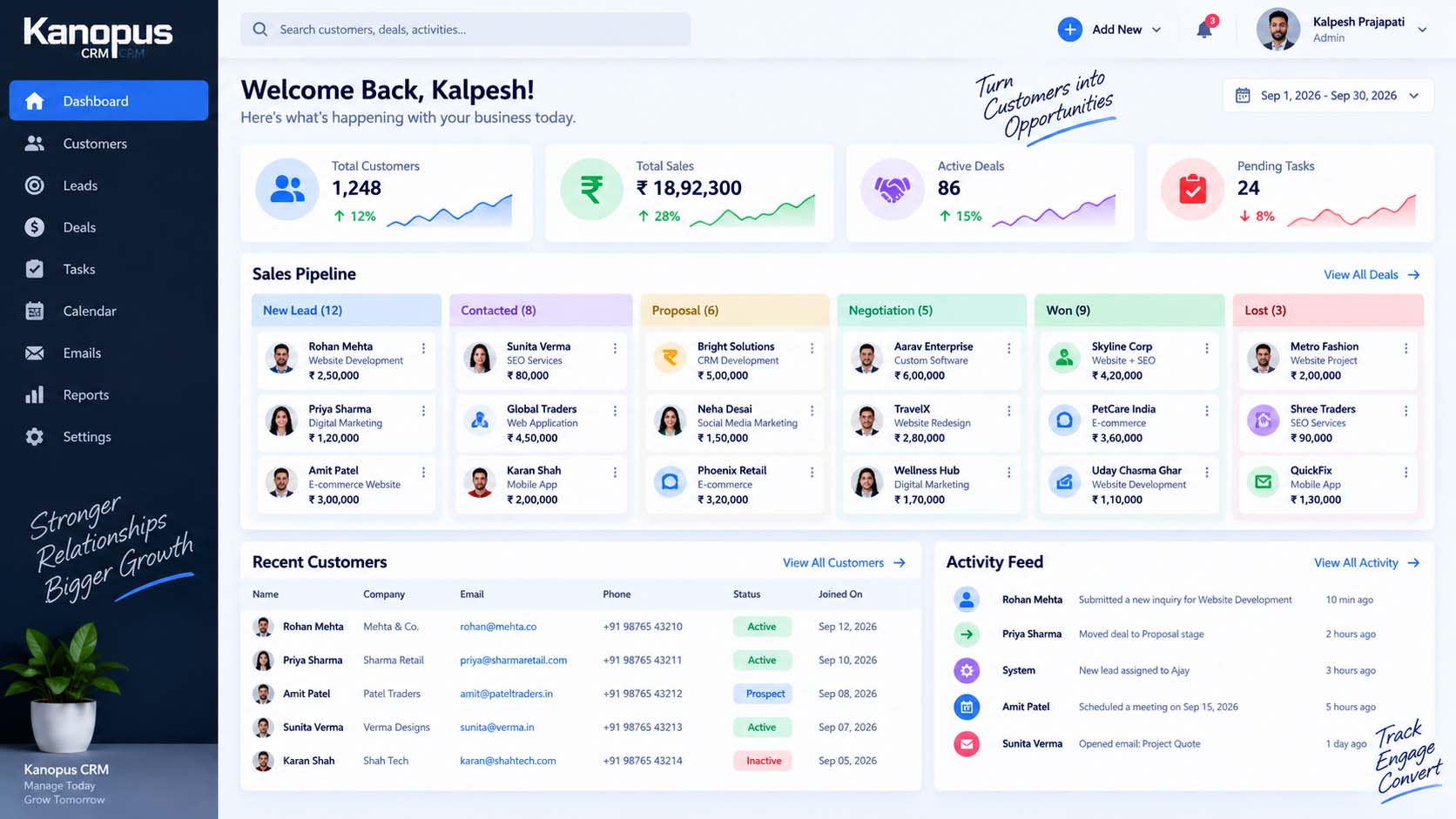
Every custom web application needs a backend that can handle business logic reliably, stay secure over years of use, and remain manageable as new features get added. Plain PHP can do all of this, but it requires a development team to build a lot of structure from scratch, structure that Laravel already provides out of the box.
That’s the core reason Laravel has remained one of the most widely used PHP frameworks for over a decade, even as newer languages and frameworks have entered the conversation. It doesn’t reinvent how web applications work, it just handles the repetitive, easy-to-get-wrong parts of backend development so a team can focus on the business logic that actually makes an application valuable. For businesses evaluating backend options for a custom project, understanding exactly what that structure buys you, and what it costs, makes for a much more informed decision than picking a technology based on name recognition alone.
What Makes Laravel Different From Plain PHP
Laravel provides a structured framework on top of PHP: a consistent way to organize code, built-in tools for handling databases, user authentication, routing, and form validation, and a templating system that keeps application logic separate from what gets displayed to a user. Building all of this from scratch in plain PHP is possible, but it means every project reinvents patterns that Laravel has already refined and tested across millions of applications.
This structure matters most as an application grows. A small script might not need it, but a business application with multiple user roles, complex data relationships, and features that will keep expanding over years benefits enormously from a framework that enforces consistent, maintainable patterns from day one.
Where Laravel Genuinely Shines
Laravel excels at applications with real business logic complexity: custom CRMs tracking customer relationships and sales pipelines, internal admin panels managing inventory, staff, or operations, and backend systems that need to integrate cleanly with multiple third-party services like payment gateways, shipping providers, or accounting software. Its built-in tools for database relationships, called Eloquent, make it noticeably easier to model complex, interconnected business data without writing repetitive raw database queries by hand.
Laravel also handles routine but critical tasks, user authentication, password resets, email verification, permission systems, through well-tested built-in packages rather than requiring a team to build and secure these features independently for every project. That alone removes a meaningful source of security risk that shows up when these systems get built from scratch under time pressure.
Laravel’s Built-In Security Advantages
Security vulnerabilities in custom web applications often come from common, well-known mistakes: unescaped database queries vulnerable to injection attacks, poorly implemented authentication, or improperly validated user input. Laravel’s architecture guides developers toward secure patterns by default, parameterized database queries, built-in protection against cross-site request forgery, and a mature validation system for incoming data, which meaningfully reduces the chance of these common vulnerabilities slipping into a finished application.
This doesn’t mean a Laravel application is automatically secure regardless of how it’s built, developer discipline still matters, but it does mean the framework itself is actively working with a development team rather than leaving every security decision entirely up to individual judgment on each project.
Common Use Cases for Laravel in 2026
Businesses reach for Laravel most often when building custom internal tools that don’t fit a pre-built software product, industry-specific inventory systems, custom booking or scheduling platforms, internal dashboards pulling data from multiple sources. It’s also a common choice for the backend of custom eCommerce builds that need pricing logic or business rules too specific for a standard platform like Shopify or WooCommerce to handle cleanly, and for API backends that need to serve data to a separate frontend application or mobile app.
When Laravel Isn’t the Right Fit
Laravel isn’t the ideal choice for applications that need extremely high real-time concurrency, live chat systems handling thousands of simultaneous connections, for instance, where Node.js’s event-driven architecture is generally a better technical fit. It’s also not necessary for simple, mostly static websites or straightforward content sites, where a lighter platform like WordPress gets to launch faster with less overhead. Laravel earns its place specifically in projects with genuine business logic complexity that justifies the structure it provides.
What a Laravel Development Process Looks Like
A well-run Laravel project starts with mapping out the application’s data model, how different pieces of business information relate to each other, before writing significant code, since this structure shapes nearly everything built afterward. From there, development typically proceeds feature by feature, with authentication and core data handling built first, followed by the specific business logic and interfaces the application actually needs. Testing and security review happen throughout, not just at the end, since catching an issue early in a Laravel project is significantly cheaper than catching it after related features have already been built on top of it.
How Kanopus Approaches Laravel Projects
We start every Laravel engagement by understanding the actual business processes the application needs to support, not just a feature list, since the strongest Laravel applications are built around how a business genuinely operates rather than a generic template. From there, we build with Laravel’s security best practices applied by default, test thoroughly against real usage scenarios, and remain available for ongoing support as the business’s needs, and the application’s feature set, continue to evolve.
What Makes a Laravel Project Succeed Long-Term
The Laravel applications that hold up well years after launch tend to share a few traits: a data model that was thought through carefully at the start rather than patched together feature by feature, automated testing covering the application’s core business logic so changes don’t quietly break existing functionality, and documentation that lets a new developer understand the system without needing the original builder available to explain every decision. None of this is unique to Laravel specifically, it’s good software practice generally, but Laravel’s structure makes these practices noticeably easier to maintain consistently compared to a less structured plain PHP codebase.
Businesses investing in a custom Laravel application should ask directly whether their development partner includes these practices as standard, or treats them as optional extras that get cut when a project runs behind schedule. The answer tends to predict a lot about how maintainable the application will actually be a few years down the line.
Integrating Laravel With the Rest of Your Business
Most custom Laravel applications don’t exist in isolation, they need to talk to other systems a business already relies on: accounting software, payment processors, shipping providers, existing customer databases, or industry-specific tools. Laravel’s ecosystem includes well-maintained packages for many common integrations, and its clean architecture makes custom integrations with less common or proprietary systems considerably more manageable than they’d be in an unstructured codebase. Planning these integrations early in a project, rather than treating them as an afterthought once the core application is built, tends to prevent a lot of costly rework later.
Is Laravel the Right Fit for Your Project?
The honest answer depends on what the application actually needs to do. If the project involves genuine business logic, multiple user roles, complex data relationships, integrations with other systems, and is expected to grow and evolve over years, Laravel’s structure is very likely to pay for itself many times over compared to a less structured approach. If the project is small, well-defined, and unlikely to grow in complexity, a simpler solution might genuinely be the more pragmatic choice. A development partner worth trusting should be willing to tell you honestly which category your project falls into, rather than defaulting to the more complex, more billable option regardless of actual fit.
Laravel’s Role in a Growing Business
As a business grows, the applications supporting it tend to grow in complexity too, more user types, more integrations, more edge cases the original build never anticipated. Laravel’s structure is specifically suited to absorbing this kind of growth gracefully, since new features can be added within an established, consistent pattern rather than requiring the codebase to be reorganized every time a new requirement appears. This is part of why so many businesses that started with a modest Laravel application find it still serving them well, with steady additions rather than a rebuild, years later.
Laravel’s Place in a Business’s Long-Term Technology Plan
Choosing Laravel for a custom application is rarely a decision made in isolation from a business’s broader technology plans. It’s worth considering how the application will need to connect with other systems the business might adopt later, and whether the development team building it now will be available for the years of support a genuinely useful business application typically needs. A framework choice that looks identical on a feature comparison sheet can lead to very different outcomes depending on how well these longer-term factors were considered from the start.
Why Getting This Decision Right Pays Off
A well-chosen Laravel foundation tends to fade into the background over time, in the best possible way. It just keeps working, keeps accepting new features cleanly, and keeps staying secure with routine updates, freeing a business to focus on its actual operations rather than fighting its own software. That quiet reliability is, in many ways, the entire point of investing in a properly structured custom application in the first place.
Frequently Asked Questions
Laravel provides pre-built, well-tested structure for common tasks like authentication, database handling, and security, which saves significant development time and reduces the risk of common vulnerabilities compared to building everything from scratch.
Is Laravel good for building a custom CRM or admin panel?
Costs depend on application complexity, the number of features and integrations required, and how much custom business logic needs to be built. Contact Kanopus Web Solutions for a quote based on your specific project.
Yes, with proper architecture, caching, and server configuration, Laravel can handle significant traffic, though extremely high real-time concurrency needs may be better served by a Node.js-based architecture.
Yes, we offer ongoing maintenance, including security updates, bug fixes, and new feature development as the business and its requirements continue to grow over time.