



WordPress 03 Aug 2026
Why Most WordPress Websites Stop Working the Way They Should

Written by Kalpesh Prajapati
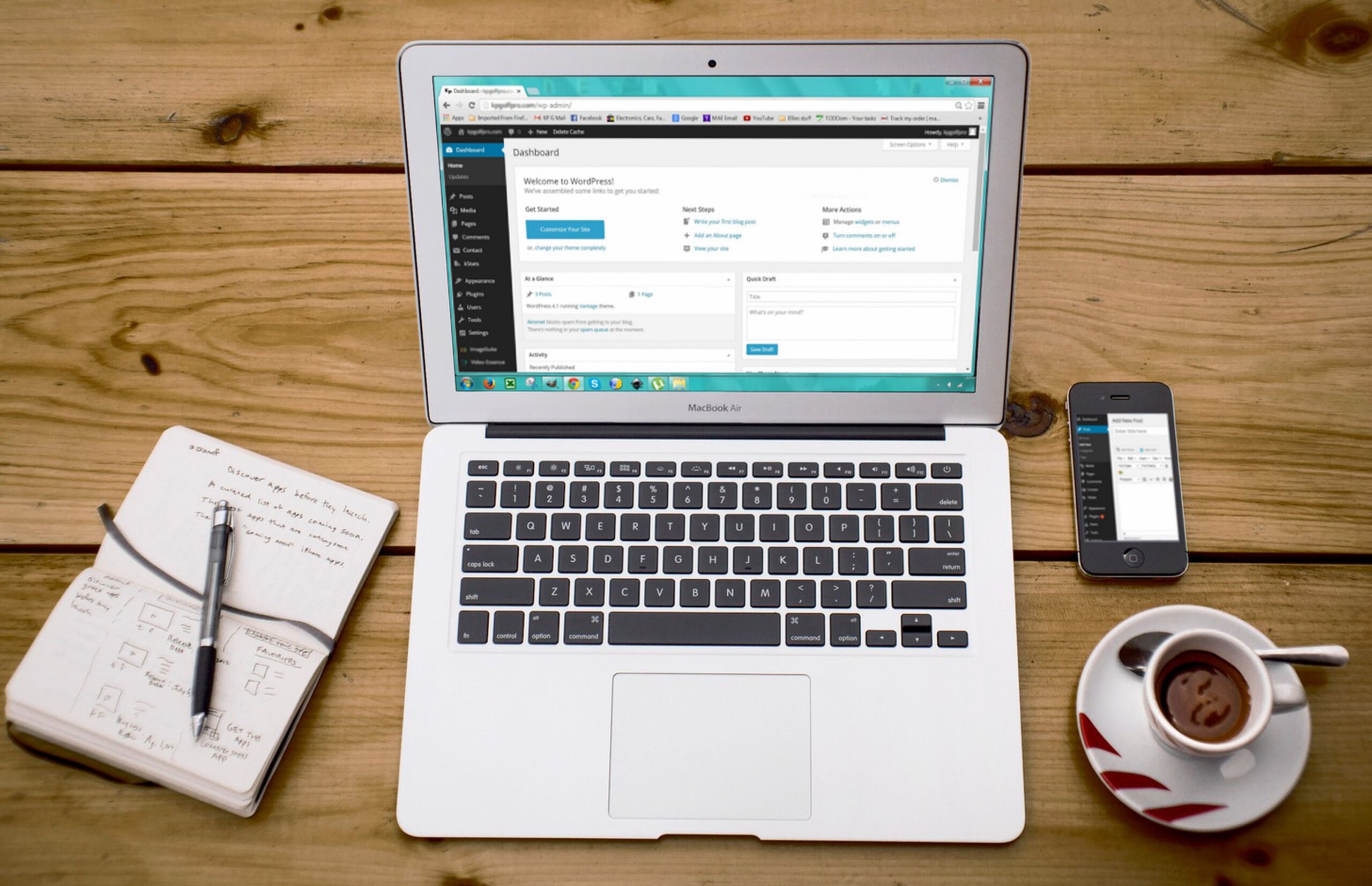
Most business owners don’t call a developer because their website looks bad. They call because it stopped doing its job.
Pages take too long to load. The blog hasn’t been updated in months because nobody on the team knows how to add a post without breaking the layout. A plugin update crashed the checkout page last week, and now everyone’s afraid to touch anything.
None of this is a WordPress problem. WordPress runs a huge share of the websites on the internet for good reason — it’s flexible, affordable, and doesn’t lock you into one developer forever. What actually causes these headaches is how the site was built in the first place.
This is exactly why the search “WordPress design and development company India” brings up so many different results, and why picking the right one matters more than picking WordPress itself.
What a WordPress Website Is Actually Supposed to Do
A website isn’t a digital brochure that sits there looking nice. It’s supposed to bring in the right visitors, explain what you do clearly, and make it easy for someone to take the next step, whether that’s calling you, filling a form, or buying something.
A WordPress site built with that goal in mind looks completely different from one built just to “have a website.” The structure, the loading speed, the way content is organized — all of it either helps a visitor move forward or quietly pushes them away.
That difference usually comes down to three things: how the site is planned before any code is written, how clean the development is underneath the design, and whether the team building it actually understands your business, not just the platform.
Design That’s Built Around Your Business, Not a Template
A lot of “custom” websites are really just a theme with a new logo and a different color scheme. It looks fine in a demo, but it doesn’t say anything specific about your business, and visitors can usually tell.
Real design work starts with understanding who’s actually visiting your site and what they’re trying to figure out when they land on it. A dental clinic’s homepage needs to answer different questions than a logistics company’s homepage. Once that’s clear, the layout, the navigation, and even the wording on buttons get shaped around helping that specific visitor, not around whatever looked good in a portfolio.
This is also where a lot of businesses get surprised by cost differences between agencies. A templated site is quick to put together. A site designed around your actual customer journey takes longer, because there’s real thinking happening before any screen gets built.
Development That Doesn’t Fall Apart in Six Months
Design gets most of the attention, but development is what determines whether the site still works properly a year from now.
Poorly coded WordPress sites tend to show the same symptoms: plugins that conflict with each other, page speed that gets worse every time something new is added, and a backend that becomes harder to manage the more content gets added to it.
Good development means writing clean code instead of stacking plugins to patch every small feature, optimizing images and scripts so pages load quickly, and building a structure that can handle new pages, new products, or new features without needing a rebuild. It also means thinking about security from day one rather than reacting after something goes wrong, since WordPress’s popularity also makes it a common target.
None of this is visible to a visitor scrolling through your site. But it’s the reason one WordPress website stays fast and stable for years while another one needs constant firefighting.
A Website Your Own Team Can Actually Manage
Here’s something that gets overlooked until it becomes a real problem: who’s going to update this website after it launches?
If every small change, a new blog post, an updated price, a new team photo, needs a developer, the site quietly stops getting updated. Content goes stale, and stale content hurts both your visitors’ trust and your search rankings.
A well-built WordPress site should let your own team add pages, swap images, and publish blog posts without needing to call anyone. That’s the actual advantage of WordPress over more rigid platforms, but only if the backend was structured with your team in mind, not just the developer’s convenience during the build.
How This Connects to Getting Found on Google (and by AI Search Tools)
None of the above matters if nobody finds your website in the first place.
Search engines pay attention to page speed, mobile experience, and clean site structure, not just keywords stuffed into a paragraph. A slow, cluttered WordPress site can rank worse than a lighter, well-organized one, even with less content.
There’s also a newer shift worth knowing about: AI tools like ChatGPT, Gemini, and Perplexity are increasingly pulling answers from well-structured websites when people ask them questions. A site built with clear headings, direct answers to common questions, and genuinely useful content has a better shot at being picked up by both traditional search and these AI-driven answers. This is exactly why the content strategy and the technical build need to work together instead of being treated as separate jobs handed to different teams.
What to Actually Look For in a WordPress Company
Since this comes back to the original search, here’s the practical part. When comparing agencies, a few questions matter more than a portfolio full of screenshots:
Do they ask about your business goals before talking about design, or do they jump straight to showing templates? Can they explain, in plain language, how they’ll keep your site fast as you add more content? Are they upfront about ongoing support, or does communication go quiet the moment the site goes live?
A company that’s confident in its work will answer these directly instead of deflecting into generic reassurances.
Where Kanopus Fits Into This
Kanopus Web Solutions has been building WordPress websites from Ahmedabad, India for clients across India, the USA, UK, UAE, Australia, and Canada, with over 5 years of experience and 200+ completed projects.
Every WordPress project starts with understanding the business and its audience before any wireframe gets drawn, moves through clean, security-conscious development, and doesn’t end at launch. Support continues afterward for updates, plugin conflicts, and new features as the business grows, which is really the whole point of choosing WordPress in the first place.
If your current site feels harder to manage than it should be, or you’re planning a new one and want it built to actually last, reach out to Kanopus Web Solutions at +91 79925 99257 or info@kanopuswebsolutions.com for a free consultation.
Frequently Asked Questions
Costs depend on design complexity, the number of pages, and any plugins or integrations you need. It's best to get a quote based on your specific project rather than a flat number, since a five-page business site and a content-heavy platform aren't priced the same way.
Yes, if the backend is set up properly. A well-structured WordPress site lets your team add blog posts, update images, and edit pages without needing a developer for every small change.
Yes. A redesign can improve speed, design, and functionality while keeping your existing content and search rankings intact, as long as the migration is handled carefully.
WordPress works well for business websites, portfolios, service-based sites, and online stores, not just blogs. With the right custom development, it can handle far more than a simple blog setup.
Yes. Regular updates, security patches, and content support keep a WordPress site running smoothly and protect it from vulnerabilities that come with an unmaintained platform. Project content KANOPUS WEB SOLUTIONS Created by you KANOPUS WEB SOLUTIONS - Website Pages Content.docx 4,737 lines DOCX